Beacon Road estate rubbish clearance tips for Uxbridge
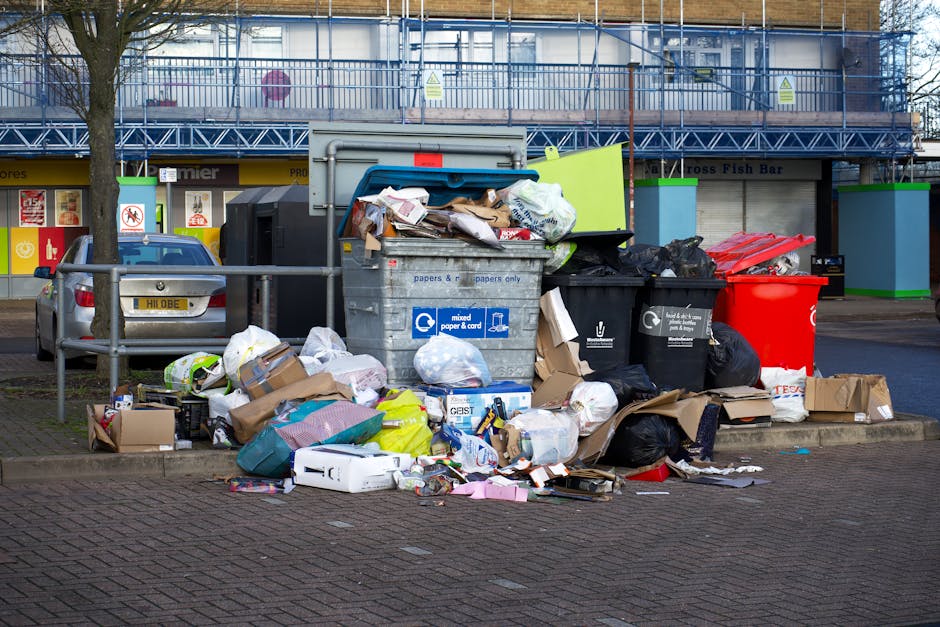
If you are tackling a pile-up of rubbish on Beacon Road estate in Uxbridge, you probably want two things: a quick solution and a clean result without hassle. That might mean clearing out a flat after a move, dealing with an overflowing garage, or shifting mixed household waste that has slowly taken over the corner of a room. Truth be told, rubbish clearance sounds simple until you are standing there with bags, broken furniture, awkward lifts, and no clear plan.
This guide brings together practical Beacon Road estate rubbish clearance tips for Uxbridge so you can clear waste safely, avoid common mistakes, and choose the right method for the job. We will look at what local rubbish clearance usually involves, how to organise it efficiently, when professional help makes sense, and what to watch out for with compliance, access, and disposal. If you want a smarter, less stressful clean-up, you are in the right place.
- Why it matters
- How it works
- Key benefits
- Who it is for
- Step-by-step guidance
- Expert tips
- Common mistakes to avoid
- Tools and resources
- Law, compliance and best practice
- Options and comparison
- Real-world example
- Practical checklist
- Conclusion
- Frequently asked questions
Why Beacon Road estate rubbish clearance tips for Uxbridge Matters
Rubbish clearance is not just about tidying up. On a residential estate, especially where homes, flats, parking spaces, shared paths, and bin stores all sit close together, poor waste handling can quickly become a nuisance for everyone. One loose mattress, a few builder's bags, or a stack of broken furniture can block access, attract pests, and make the whole area feel neglected. Nobody wants that smell hanging around on a warm afternoon.
On Beacon Road estate, the practical challenge is often space. There may be limited parking, tight turns for vehicles, and neighbours who still need access while the clearance is happening. Add in the usual mix of household junk, old appliances, renovation offcuts, and garden waste, and you have a job that needs a bit of judgement rather than just brute force.
Good clearance also matters because different waste types should be handled differently. For example, reusable furniture is not the same as demolition rubble, and electrical items are not treated like general refuse. Sorting that properly can make the whole process cleaner, safer, and usually easier on the wallet too.
One more thing: a rushed clear-out often creates a second mess. Bags split. Dust spreads. Sharp items get mixed in with soft waste. Then you are cleaning the floor after you have already started cleaning the floor. That is the sort of nonsense most people can live without.
How Beacon Road estate rubbish clearance tips for Uxbridge Works
At its simplest, rubbish clearance works by identifying what you need removed, separating it into categories, and then moving it in a way that is safe, legal, and efficient. The difference between a decent job and a frustrating one is usually planning.
For a typical Beacon Road estate clearance, the process usually looks something like this:
- Walk through the property or storage area. Note what is going and what is staying. If you skip this, you can easily bin something you meant to keep.
- Separate items by type. Put furniture, general household rubbish, green waste, and heavier materials into different groups where possible.
- Check access. Think about stairs, lifts, narrow hallways, shared entrances, parking limits, and where a vehicle can safely stop.
- Consider special items. Fridges, freezers, mattresses, plasterboard, paint, or bulky furniture may need extra care or separate handling.
- Decide whether to self-clear or use a professional service. The right answer depends on volume, weight, timing, and how much lifting you want to do yourself.
In practical terms, a professional team will usually arrive, assess the load, remove items, load them efficiently, and sort them for reuse, recycling, or disposal. That tends to save time, and it saves you the awkward "where does this even fit?" moment when a sofa refuses to fit down a staircase at a funny angle.
If you are clearing a home or a full property, services such as house clearance and home clearance may be more appropriate than a basic one-off rubbish collection. If the job is mostly loose junk, mixed waste, or unwanted items from a remodel, waste removal is often the more straightforward fit.
Key Benefits and Practical Advantages
The main benefit of getting clearance right is simple: the area becomes usable again. But there are a few practical advantages that are easy to underestimate until you have tried to do the job in a hurry.
- Less stress. A clear plan stops the job from expanding into a weekend-long headache.
- Safer lifting. Bulky items like wardrobes, filing cabinets, or broken shelving are notorious for causing strains.
- Better space use. Once clutter is gone, it is easier to see what truly needs keeping, repairing, donating, or replacing.
- Cleaner disposal. Sorted waste is easier to manage responsibly, especially when mixed loads are involved.
- Less disruption for neighbours. On an estate, that matters. You want the work done neatly, not with rubbish spread across shared areas.
- Time savings. What takes one household all day can often be handled far faster by a team with the right equipment and vehicle capacity.
There is also a subtle but real benefit: the job feels finished properly. That matters more than people admit. A room that is empty, swept, and calm does something good to your head. It is easier to breathe in it. Easier to plan the next step.
If your clearance includes old sofas, tables, or mixed furniture, you may find it useful to look at furniture clearance or furniture disposal depending on whether the items are reusable, damaged, or simply no longer wanted.
Who This Is For and When It Makes Sense
This kind of clearance advice is useful for a lot of people, not just those in the middle of a major upheaval. In our experience, the most common situations tend to be practical, ordinary, and a bit messy in the way real life often is.
- Homeowners who are decluttering before a sale, renovation, or family change.
- Tenants who need to leave a flat tidy and avoid last-minute panic.
- Landlords preparing a property between occupiers.
- Families sorting lofts, garages, sheds, or inherited belongings.
- Tradespeople dealing with renovation waste or packaging after a job.
- Local businesses with leftover office furniture, filing clutter, or stock that needs removing.
Sometimes the decision is obvious. If you have a handful of bin bags, you may only need a local uplift or a trip to the right facility. But if you are staring at a pile of broken wardrobes, a heavy desk, damp carpet, and a few items you cannot safely move alone, it is usually sensible to get help. Why risk a pulled back for the sake of trying to save an afternoon?
For flats and smaller residential layouts, a specialist flat clearance service can be more practical because access, stairways, and neighbour timing tend to matter more. For garages and outside storage areas, garage clearance is often the better match. Different spaces, different headaches.
Step-by-Step Guidance
If you want a tidy, efficient clearance on Beacon Road estate, work through the job in a structured order. It sounds obvious, but it is the difference between progress and chaos.
1. Start with a proper sort
Make four simple piles: keep, donate, recycle, and remove. Keep the categories broad at first. Do not get bogged down deciding the future of every empty jam jar on minute one. That way lies frustration.
2. Separate heavy and awkward items early
Move the furniture, appliances, and bulky waste out first so you can see how much real space the rubbish occupies. This also helps you identify anything that will need two people, a sack truck, or careful manoeuvring.
3. Protect shared areas
If you are using communal halls, lifts, or driveways, protect the route before moving anything. Cardboard sheets, gloves, and careful stacking can prevent scrapes and little collisions that no one wants to explain to a neighbour.
4. Check what needs special handling
Some items need more than "just chuck it in the load." Electrical goods, mattresses, fridges, paint tins, and certain construction materials may require separate handling. If the pile includes builders' debris, it may be worth looking at builders waste clearance rather than treating everything as general rubbish.
5. Decide whether the job is DIY or professional
Ask yourself a straightforward question: how much time, lifting, and vehicle space are you really prepared to deal with? If the answer is "not much, actually," then hiring help is probably the sensible move.
6. Book the clearance with access in mind
Make sure the vehicle can park close enough, and tell the provider about narrow paths, locked gates, upper-floor access, or anything unusual. A good plan prevents the awkward five-minute stare at the entrance while everyone works out how to get a sofa through a doorway.
7. Finish with a final sweep
Once the items are gone, sweep the space, check corners, and look under fixed furniture. You will often find a coin, a charger, or a mysteriously old receipt. Sometimes all three.
Expert Tips for Better Results
Here are the little things that make a clearance smoother. They are not flashy, but they matter.
- Measure before moving. Doorways, stair turns, and lift sizes can be the hidden trap in a simple-looking job.
- Keep one clear walkway. Even if the rest of the room is packed, an open route reduces trip hazards.
- Use strong bags or boxes. Thin bags split at the worst possible moment. Always.
- Take photos before and after. Handy for your own records, especially in rented property or shared accommodation.
- Label items you want to keep. A strip of tape or a marker pen is enough.
- Schedule around neighbours. Early mornings, school runs, and peak parking times can all complicate a job on an estate.
- Group similar waste together. It reduces sorting time and helps avoid contamination.
One practical tip that gets overlooked: if you have items for both removal and reuse, put the reusable pieces aside first. A chest of drawers in fair condition should not end up buried under broken shelving. That sort of thing happens more than you'd think.
If you are dealing with a wider property clean-out, it can help to think in terms of room-by-room clearance. For a whole home, house clearance may be the most efficient route. For a single room or mixed domestic removal, home clearance often makes more sense.
Common Mistakes to Avoid
Most clearance headaches come from the same handful of mistakes. The good news is that they are avoidable once you know what to look for.
- Waiting until the last minute. Rushed clearance usually means poor sorting and a higher chance of missed items.
- Mixing all waste together. This makes recycling harder and can create unnecessary complications.
- Underestimating weight. A bag of books is not the same as a bag of soft rubbish. Your shoulders will tell you that within seconds.
- Forgetting access restrictions. A van may arrive, but if it cannot park safely or close enough, the job becomes slower and less tidy.
- Ignoring sharp or hazardous objects. Broken glass, rusty metal, and exposed nails can turn a simple lift into an injury.
- Assuming every item is disposable in the same way. Some items need separate handling or particular care.
- Not checking what the provider includes. It is worth understanding whether labour, loading, disposal, and sweep-up are all part of the service.
A common real-world problem is mixed storage clutter: an old fan next to paint tins, boxed books, broken toys, and a collapsed shelf. It looks harmless enough from the doorway, but once you start moving it, you realise the job is more layered than expected. That is usually when people either slow down or give up halfway through. Neither is ideal.
Tools, Resources and Recommendations
You do not need a garage full of specialist kit for most domestic clearances, but a few practical tools make the work safer and less frustrating.
| Tool or resource | Best use | Why it helps |
|---|---|---|
| Heavy-duty bags | Mixed light waste and soft rubbish | Less likely to split under load |
| Work gloves | General handling | Helps protect from grime, splinters, and sharp edges |
| Trolley or sack truck | Bulky items and boxes | Reduces lifting strain |
| Marker pens and tape | Sorting and labelling | Keeps keep/recycle/remove piles clear |
| Dustpan, broom, and bin liners | Final tidy-up | Leaves the area ready to use again |
| Professional clearance support | Heavy, mixed, or time-sensitive jobs | Speeds up removal and reduces physical effort |
If you are comparing services, it is sensible to review pricing, access arrangements, and what types of waste are accepted. You can also look at pricing and quotes to understand how estimates are usually put together. If sustainability matters to you, a provider's approach to reuse and recycling is worth checking too, which is where recycling and sustainability comes into the picture.
And if the clearance is happening at a work premises or a small business unit rather than a home, business waste removal may be the more fitting route. Likewise, office furniture, files, and equipment are usually better handled through office clearance.
Law, Compliance, Standards, or Best Practice
Waste handling in the UK is one of those topics where common sense helps, but best practice matters too. You do not need to be an expert to stay on the right side of things, though. The basic principle is simple: waste should be stored, moved, and disposed of responsibly, and you should be careful about what is mixed together.
For household clearances, it is still sensible to use a provider that takes safety seriously and can explain how items are handled. For example, if a team is carrying bulky furniture down communal stairs, the process should be controlled, not rushed. If there are sharp edges, glass, or heavy loads, that should be managed with proper care and suitable equipment.
Best practice also means being honest about what is included. A proper clearance service should make it clear whether loading, transport, disposal, and sweep-up are covered. If any special waste is involved, it should be identified early rather than discovered halfway through the job.
For readers who want extra reassurance, it can help to look at company-level information such as health and safety policy, insurance and safety, and even background details via about us. These pages do not remove the need for good judgement, but they do help you assess whether a provider is organised and trustworthy.
Privacy and terms may sound dull, yet they matter when you are sharing access details, contact information, or job notes. For that reason, it is sensible to understand the company's privacy policy and terms and conditions before booking. Boring? Maybe. Useful? Absolutely.
Options, Methods, or Comparison Table
There is no single best way to clear rubbish from Beacon Road estate. The right choice depends on what you are removing, how much there is, and how quickly it needs to go. Here is a practical comparison.
| Method | Best for | Pros | Trade-offs |
|---|---|---|---|
| DIY bagging and local disposal | Small amounts of light waste | Low cost, flexible, simple for minor jobs | Time-consuming, lifting involved, can be awkward with bulky items |
| Partial self-clearance with hired help | Mixed jobs where you can sort first | More control, potentially efficient, less waste handled by the provider | Still requires time, planning, and some lifting |
| Professional rubbish clearance | Bulky, heavy, or time-sensitive loads | Fast, safer, minimal disruption, good for awkward access | Usually costs more than DIY |
| Property clearance service | Whole homes, flats, inherited properties, end-of-tenancy jobs | Broad coverage, structured sorting, helpful for larger projects | May be more than you need for a small pile of rubbish |
For many Beacon Road estate jobs, the best result comes from a hybrid approach: sort personal items yourself, separate anything reusable, then let a clearance team handle the heavy and awkward stuff. That keeps costs reasonable and avoids a lot of dragging, sweating, and muttering under your breath.
Case Study or Real-World Example
Here is a typical scenario. A resident on Beacon Road estate has a small flat with a storage cupboard, one spare room, and a balcony area that somehow became the holding zone for old boxes, a damaged chair, several bags of household clutter, and an unwanted desk. The flat is on an upper floor, the lift is small, and parking outside is not exactly generous.
The smart approach is not to start by carrying everything out at once. Instead, the resident first separates personal paperwork and valuables, then groups the rest into furniture, general waste, and items for recycling. The desk is measured so there are no surprises on the staircase. The clearance is booked for a time when access is quieter, and the provider is told about the lift and parking situation in advance.
On the day, the team removes the bulky items first, then the bags, then the smaller loose pieces. The route stays clear, the lift area is protected, and the final room is swept through before the team leaves. Nothing dramatic. Just a clean, efficient job done properly.
That sort of structured clearance is especially useful in flat blocks where one careless lift or hallway traffic jam can annoy several neighbours at once. A little planning saves a lot of awkwardness. And let's face it, no one wants to be the person blocking the entrance while someone else is trying to get shopping upstairs.
Practical Checklist
Use this checklist before any Beacon Road estate rubbish clearance:
- Identify what must go and what must stay.
- Separate furniture, general rubbish, recyclables, and special items.
- Check access routes, stairs, lifts, and parking space.
- Measure bulky furniture before lifting it.
- Set aside valuables, documents, and personal keepsakes.
- Use strong bags and stable boxes for loose waste.
- Protect floors and communal areas if needed.
- Decide whether DIY or professional clearance is more sensible.
- Ask what is included in the service and how waste is handled.
- Do a final sweep once the removal is complete.
Expert summary: The best clearance jobs are usually not the biggest ones or the fastest ones. They are the ones that are sorted early, handled safely, and finished with a proper tidy-up. That is the difference between "done" and genuinely done.
If you are ready to compare options or want help with a more involved job, it is worth making an informed start rather than guessing. A tidy plan nearly always pays off.
Get a free quote today and see how much you can save.
Conclusion
Beacon Road estate rubbish clearance in Uxbridge does not need to be complicated, but it does need to be sensible. Sort the waste properly, think about access before you lift anything, and choose the right clearance method for the size and type of job. That alone prevents most problems.
The real win is not just getting rid of stuff. It is making the space calmer, safer, and easier to use again. Whether you are clearing a flat, a garage, a home, or a mixed load of household rubbish, a careful approach will usually save time and spare you a lot of stress.
And if the job feels bigger than you expected halfway through - which happens, quite often, to be fair - pause, reassess, and choose the simpler route. A clean finish is worth it.
There is something quietly satisfying about standing in a clear room at the end of the day, knowing the mess is gone and the next chapter can start.
Frequently Asked Questions
What is the best way to clear rubbish from Beacon Road estate in Uxbridge?
The best approach is usually to sort items first, check access, and then decide whether you can manage the job yourself or need professional help. For bulky, mixed, or heavy waste, a clearance service is often the most practical choice.
Can I mix furniture and general rubbish in one clearance?
Yes, many clearances include mixed loads, but it is better to separate items where possible. That makes the job easier to load, helps with recycling, and reduces the chance of avoidable complications.
How do I know if I need flat clearance rather than rubbish removal?
If you are clearing an entire flat or a large part of one, flat clearance is usually more suitable. If you mainly have loose waste or a smaller mixed load, rubbish removal may be enough.
What should I do with bulky items like wardrobes or sofas?
Measure them first, clear a route, and make sure there is enough access to move them safely. If they are too heavy or awkward, a furniture clearance service can save a lot of effort and reduce the risk of damage.
Is it worth booking a professional service for a small estate clear-out?
If the waste is light and simple, DIY might be fine. But if the items are heavy, awkward, or scattered across different rooms, professional help often ends up being quicker and less stressful.
How can I reduce the cost of rubbish clearance?
Sort waste in advance, separate reusable items, and keep only the things that genuinely need removing. Clear access also helps because it reduces the time and effort involved on the day.
What happens to the waste after collection?
That depends on the type of waste and the provider's process. A responsible service will aim to reuse, recycle, or dispose of items properly rather than treating everything as general rubbish.
Do I need to worry about access on Beacon Road estate?
Yes, access matters a lot. Shared entrances, narrow staircases, parking limits, and lift sizes can all affect how quickly and safely the clearance can be done.
Can I clear builders waste with a household rubbish job?
Sometimes mixed loads are possible, but builders waste often needs a more specific approach. If you have rubble, plasterboard, or renovation offcuts, it is better to mention that up front and consider builders waste clearance.
What should I check before hiring a clearance company?
Check what is included, how they handle different waste types, whether they have safety and insurance information available, and how they price the job. It is also sensible to review their payment and security information before booking.
Can I get help with garage or loft clearances too?
Yes. If the clutter is coming from a garage, loft, or other storage area, a more specific service can be the better fit. Garage clearance and loft clearance are especially useful when the items are boxed up, dusty, or awkward to reach.
What is the most common mistake people make with estate rubbish clearance?
The biggest mistake is leaving everything until the last minute and then trying to sort, lift, and dispose of it all in one go. That usually creates stress, confusion, and avoidable lifting risk. A bit of preparation changes everything.