House clearance in Uxbridge

Uxbridge House Clearance provides house clearance in Uxbridge for people who need a clear, orderly way to remove unwanted items from homes, flats and associated spaces. Our service is designed to handle the practical work of clearing furniture, general household contents and mixed items in a way that keeps the process straightforward for the customer. Whether you are planning ahead or dealing with a property that needs attention sooner rather than later, we can help with a careful, organised clearance that suits the space and the scope of the job.
We work across the main types of domestic clearance, including full and partial clearances, furniture removal, loft clearance, garage clearance and garden clearance. That means you can choose the level of help you need rather than treating every job as an all-or-nothing project. If you want a single room cleared, a whole property emptied or selected items taken away from storage areas, we can discuss the most practical approach and help you plan the work sensibly. The goal is to make the clearance manageable from the first conversation.
When you are ready to request a quotation, it helps to think in terms of what needs removing, what should stay in place and whether any items need extra care because of size, weight or handling limits. A clear description of the property and the areas involved can make the discussion more focused and help us identify the best type of clearance for your needs. Get in touch to discuss your property and arrange the next step.
Domestic clearance services
Our domestic work covers a wide range of household clearance tasks, with the aim of keeping the process organised rather than disruptive. A house can contain a mix of furniture, appliances, boxed belongings and smaller loose items, so the best approach is usually to separate what is staying from what is being removed before the work begins. We can then remove the agreed items efficiently and leave the remaining space ready for whatever comes next, whether that is cleaning, decorating, letting, selling or simply regaining room.
For many customers, the most useful option is a partial clearance that focuses on specific rooms or item types. For others, a fuller service is needed because the property has become difficult to manage or because the contents need to be cleared before a handover. Our house clearance service is relevant when the whole property needs attention, while a more targeted clearance may be better where only selected rooms or contents require removal. The right choice depends on how much stays, how much goes and how quickly the space needs to be made usable again.
We also support situations where furniture is the main issue. Bulky wardrobes, beds, tables, chairs and other large items can take up considerable space and are often the hardest things to move without proper planning. Furniture clearance and furniture disposal can be useful when individual pieces need to be removed carefully, especially if they are awkward to carry or spread across different rooms. Flat clearance is another option where access, stairs or limited space make the job different from a standard house clearance.
Rooms, access and specialist domestic areas

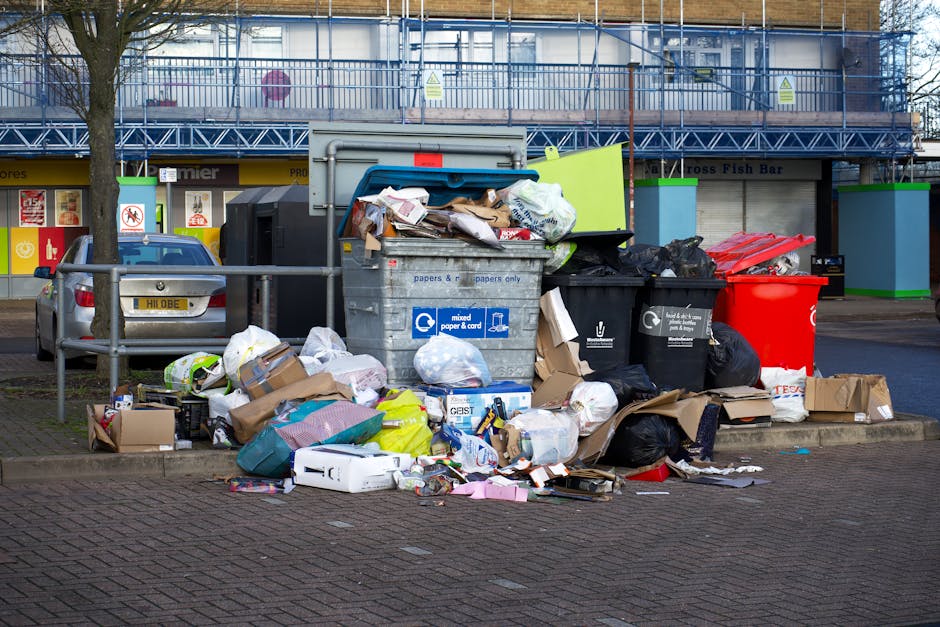
Some of the most common domestic jobs are the ones that involve hidden or less accessible spaces. Lofts, garages and gardens often collect items over time, and the contents can be varied enough to need a planned approach rather than a quick lift-and-go. Loft clearance is suitable where stored items, old boxes or unused household goods need taking away from above the main living area. Garage clearance is useful where the space has gradually filled with tools, storage items, spare furniture or mixed belongings. Garden clearance helps when outdoor areas need to be tidied by removing unwanted materials and items that no longer serve a purpose.
Access matters because it affects how the clearance is organised. Narrow hallways, stairs, shared entrances and limited parking can all influence the sequence of work, so it is often better to plan the route through the property before heavy items are moved. If a loft hatch is awkward, a garage is partially blocked, or a garden has items stored in several corners, the safest approach is usually to work methodically and keep walkways clear as the job progresses. That is one reason customers often prefer a service that can handle both the lifting and the sorting in a single visit.
It is also worth remembering that not every room presents the same type of work. A loft may contain lighter but more awkwardly packed items, while a garage may include heavier equipment or mixed storage that needs separating before removal. Outdoor clearances can involve damp or weathered items, while indoor spaces may contain more fragile household contents. The practical benefit of using a structured clearance service is that each area can be handled according to its own conditions rather than forcing everything into one rigid method.
How we organise a quotation
Quotations for clearance work are usually based on the amount of material to be removed, the type of items involved and the conditions on site. A small room full of lightweight contents is not the same as a larger property with bulky furniture, and a straightforward removal is different again from a clearance that involves multiple floors or awkward access. When we discuss the work, we focus on the practical scope so the quotation reflects the job properly rather than relying on guesswork.
To keep the process efficient, it is helpful to be clear about what must stay, what can be removed and whether there are any items that need special handling because of size or weight. If you can describe the main rooms involved and the type of contents present, that usually gives enough information to start the conversation in a useful way. Ask for a quotation when you know the general scope, and we can talk through the most sensible way to proceed.
Our pricing discussions are best treated as part of the planning stage, not as a separate hurdle. A clear description of the job helps avoid confusion later and allows the right service to be matched to the property. Pricing and quotes is the natural place to find out more about the sort of information that helps shape an estimate, while the quotation itself should always reflect the actual work required. If you would like to move forward, you can use the final section of this page to make an enquiry.
Home clearance for different situations
Home clearance is often needed for reasons that are practical rather than dramatic. A property may be being prepared for sale or let, a family may want to reduce the amount of stored items, or a room may simply have reached the point where it is difficult to use properly. Whatever the reason, the work still needs to be handled in an orderly way so that the right items are removed and the remaining contents are left as intended. That is why we keep the service focused on clarity, access and agreed scope.
We can help with one-off household clearances as well as more targeted tasks that deal with only part of the home. In some cases, a full clearance is the better choice because the property needs to be emptied across several rooms. In others, the job is more specific and may only involve a sitting room, bedroom, kitchen or spare storage area. Home clearance is a useful option when the work involves more than a single item and you need a broader domestic service rather than a simple collection.
Useful decisions before booking:
- Which rooms are included in the clearance.
- Which larger items need careful removal.
- Whether any contents must remain in place.
- Whether access involves stairs, tight corridors or shared entry points.
- Whether the job is a full or partial clearance.
Office, business and mixed-property clearances

Although this page focuses on domestic work, some properties also contain workspaces, storage rooms or mixed-use areas that need clearance alongside the home. For those situations, the important issue is still the same: remove the agreed items without causing unnecessary disruption to the remaining space. Office clearance is the relevant service where desks, chairs, filing items or other office contents need attention, while business waste removal suits commercial waste streams that require a separate approach from household contents.
There are also jobs where the distinction between home and workplace is blurred. A room used for paperwork, stock or storage may contain a mixture of domestic and business items, and it is usually best to decide in advance what belongs in the clearance. That way, the removal can be organised around the actual contents instead of the label on the building. Waste removal can support broader mixed-item jobs, while builders waste clearance may be more appropriate if the space contains leftover materials from refurbishment or repair work.
Where the contents are primarily household belongings, it is often simpler to keep the job under the domestic clearance umbrella rather than splitting it into multiple separate collections. The benefit for the customer is a single, practical plan for the space, with the items removed in the right sequence and the remaining areas kept clear of avoidable clutter. If you are unsure which service fits the property best, a short discussion about the contents is usually enough to point you in the right direction.
What happens during the clearance
A well-run clearance usually begins with a quick review of the rooms or storage areas involved, followed by a practical decision about the order of removal. Larger items are typically handled first so that access improves as the job progresses, while smaller contents can then be dealt with in a more controlled way. The key is to work steadily and keep the space safe and workable, rather than trying to move everything without a plan.
In many cases, the customer wants to keep certain items in place, so clear communication at the outset is valuable. That can include items that are staying in the property, materials set aside for another use or contents that need to be separated from the rest before the clearance begins. If the property contains fragile belongings, awkward storage or tight access, it helps to mention those details early so the right equipment and approach can be used. Clear instructions lead to a cleaner result.
Once the agreed items are removed, the space is left ready for the next stage of the property’s use. For some customers that means further cleaning or redecoration; for others, it simply means the room can be used again without obstruction. The value of the service is not just that items leave the property, but that the clearance is handled in a way that makes the next step easier. If you want to talk it through, now is a good time to request a quotation.
About Uxbridge
Uxbridge is a large suburban town in west London and one of the principal settlements of the London Borough of Hillingdon. It developed from an early market settlement at a crossing point on the River Colne, with the Grand Union Canal later adding another important transport link through the district. The town centre still reflects layers of growth, with older streets and later commercial development sitting alongside one another. Uxbridge High Street remains a recognisable historic spine, while the wider area has expanded through planned residential development, transport infrastructure and public buildings that serve the surrounding borough. The town is also closely associated with Brunel University London, whose campus adds a strong academic presence to the area.
The built environment around Uxbridge is varied rather than uniform. There are busy retail and civic areas near the centre, quieter residential streets further out and open green spaces that provide a contrast to the denser parts of the town. The Colne Valley regional landscape lies nearby, offering countryside, waterways and reservoirs within reach of the urban core. Uxbridge Underground station has long been an important transport point for the area, connecting the town to central London and beyond through the Metropolitan and Piccadilly lines. The combination of market-town roots, transport links, university activity and suburban growth gives Uxbridge a character that is both practical and historically layered.
Local landmarks and public spaces add to that character. The town has a mix of conservation areas, older civic buildings and later development, with the surrounding borough including parks, riverside stretches and heritage sites connected to its broader history. The Grand Union Canal remains one of the clearest reminders of the area’s transport past, while modern shopping, education and housing developments show how Uxbridge has continued to change. It is a place where the historic centre, the canal corridor and the wider suburban landscape all contribute to a town identity that is recognisable without being overly uniform.
Furniture, bulky items and careful removal

Furniture is often the main reason customers arrange a clearance, especially when rooms are full, layouts are changing or individual pieces are no longer needed. Large items can be difficult to move through doorways or down stairs, and some pieces are heavy enough that they need planning before anyone attempts to lift them. Our furniture-related clearance work is built around those practical concerns, with an emphasis on removing agreed items in a way that keeps the property manageable during the job.
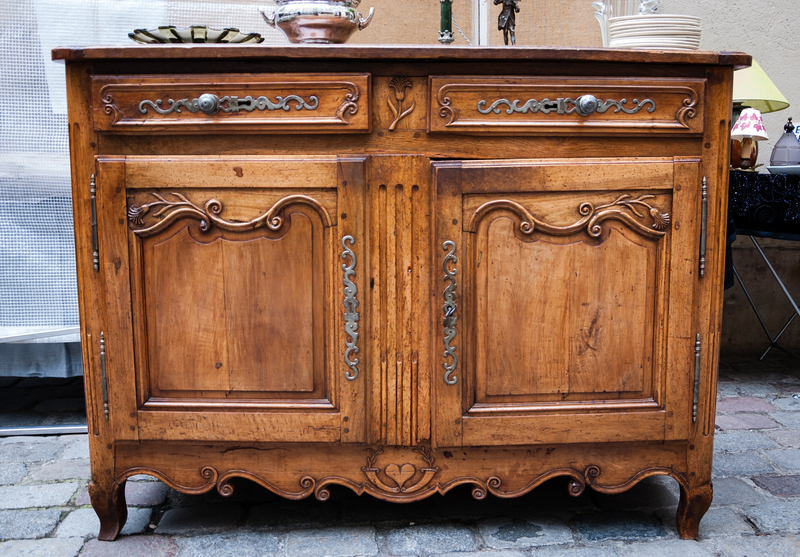
Different items call for different handling. A sofa, wardrobe, bed frame or dining table may present access challenges, while smaller chairs, cabinets and shelving can often be moved more quickly once the route is clear. Because of that, the most effective approach is usually to identify the bulkiest pieces first and decide how they will be taken out. Furniture disposal is useful where the main task is the removal of unwanted pieces, while furniture clearance suits a broader room-by-room approach that includes furniture as part of the wider contents.
If the items are spread across several rooms, it is usually better to tackle them in a planned order rather than removing them randomly. That saves time, reduces disruption and helps protect the remaining contents of the property. Speak to us about the items first, then choose the type of clearance that best matches the scale of the work. When the job is set out clearly, the rest of the process becomes much easier to manage.
Safety, recycling and the final step
Clearance work should always be carried out with due attention to safety and responsible handling. That means thinking about how items are moved, how the route through the property is kept clear and how different types of contents are separated during the job. In practice, a careful clearance is one where the work is completed without unnecessary strain on the property or the people involved. That approach matters whether the job is a simple domestic clearance or a more complex multi-room removal.
We also recognise that many customers want an orderly outcome rather than a rushed job. Some items may be reusable, some may need to be separated by type and some may simply need to be removed as agreed. Recycling and sustainability covers the broader approach to handling materials responsibly, while insurance and safety is relevant to the standards that support a careful working method. These pages are useful if you want to understand the practical framework around the service before making a booking.
To finish, the best next step is simple: decide what needs to go, what must stay and whether the job is full or partial. Then you can request a quotation for house clearance in Uxbridge and move forward with a clear plan. If you prefer to review the practical and policy information first, the supporting pages can help, but the main service remains focused on giving you a straightforward way to clear the space.