Implement Effective Waste Prevention in Every Room: A Comprehensive Guide
Are you looking for practical ways to reduce waste and create a more sustainable home environment? Implementing effective waste prevention strategies in every room can significantly cut down your footprint and inspire eco-friendly habits for life. This comprehensive article explores targeted and actionable methods to help you prevent waste, room by room--for the kitchen, bathroom, bedroom, living areas, home office, garage, outdoor spaces, and more.
The Need for Waste Prevention: Why Every Room Matters
Waste prevention goes far beyond recycling or composting. At its core, it means making conscious choices about what you bring into your home, how you use resources, and what you discard. Since waste is generated in all areas of the home, a room-specific approach can lead to substantial reductions in both household waste and environmental impact.
- Did you know? The average American generates over 4 pounds of waste daily, much of it from preventable sources.
- Every room presents unique opportunities for waste reduction--making systemic change possible one space at a time.

Waste Prevention in the Kitchen
The kitchen is often the biggest generator of household waste. From food scraps to packaging, there's significant potential for improvement. Follow these strategies to implement effective waste prevention in your kitchen:
1. Smart Grocery Shopping
- Plan meals: Make a weekly menu and stick to your shopping list to avoid impulse buys that may go unused.
- Buy in bulk and use reusable bags: Minimize packaging waste and avoid single-use plastics.
- Choose loose produce: Select fruits and vegetables without unnecessary wrappings.
2. Food Storage and Portion Control
- Store food properly: Use airtight containers and learn proper storage techniques for different foods.
- Label leftovers: Date your leftovers for timely consumption and prioritize eating them before cooking new meals.
- Freeze excess food: Save larger meals in portions for future use to prevent spoilage.
3. Compost and Repurpose
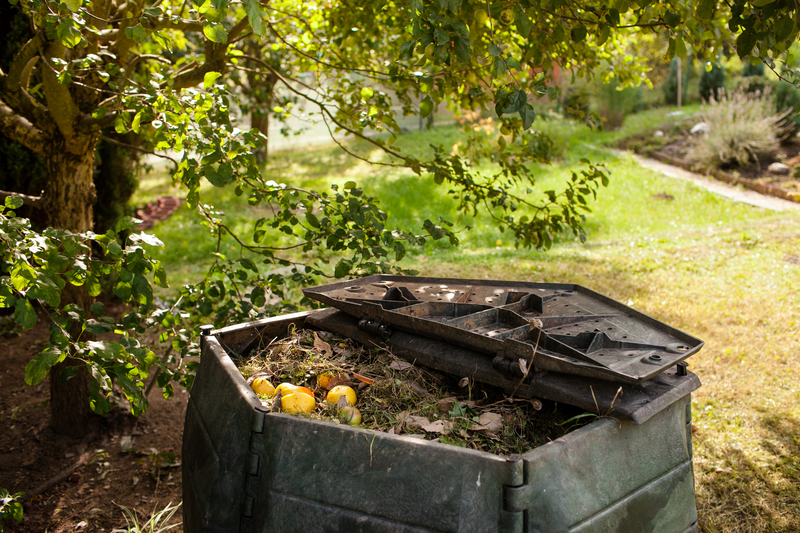
- Start a compost bin: Turn fruit peels, coffee grounds, and vegetable scraps into valuable compost.
- Repurpose food scraps: Use carrot tops for pesto or save bones for broth.
- Embrace "nose-to-tail" and "root-to-stem" cooking: Reduce organic waste with creative recipes.
Bathroom Waste Prevention Techniques
Though smaller, bathrooms can generate a surprising amount of waste, especially from packaging and disposables.
1. Sustainable Swaps
- Choose bar soap: Switch from liquid soaps in plastic bottles to bar soaps with recyclable or no packaging.
- Opt for reusable items: Use washable makeup pads, razors with replaceable blades, and menstrual cups.
- Buy in bulk: Purchase shampoo, conditioner, and cleaning supplies in refillable containers.
2. Minimizing Product Waste
- Use only the necessary amount: Be conscious of how much shampoo, toothpaste, or cleaner you use.
- Squeeze every last drop: Use tools to get remaining product out of tubes and bottles.
3. Recycling and Disposal
- Recycle toiletries packaging: Look for programs that accept hard-to-recycle items like toothbrushes or razor blades.
Waste Prevention in the Bedroom
The bedroom may not seem like a waste hot spot, but with clothes, bedding, and decor, there's plenty of room to implement effective waste prevention.
1. Clothes and Textiles
- Buy quality over quantity: Invest in durable clothing rather than fast fashion.
- Repair and upcycle: Mend damaged clothes or repurpose textiles as cleaning cloths rather than discarding them.
- Donate and swap: Pass on gently-used clothes and accessories instead of always buying new.
2. Mindful Decor Choices
- Purchase second-hand: Choose pre-loved furniture and decor items, reducing demand for new resources.
- Choose multipurpose furniture: Select pieces that serve more than one function to keep your space tidy and efficient.
Living Room Waste Reduction Strategies
As a hub for relaxation and socializing, the living room presents unique opportunities for efficient waste management.
1. Sustainable Entertainment
- Go digital when possible: Stream movies and use e-books to reduce physical media waste.
- Repair electronics: Fix your gadgets or donate them for refurbishment instead of discarding.
2. Conscious Decor & Furnishings
- Upcycle old decor: Repurpose old picture frames, vases, or textiles to refresh your space without buying new.
- Borrow or rent: For special occasions, consider borrowing home accessories instead of buying items you'll rarely use.
Waste Prevention in the Home Office
With the rise of remote work, home offices have become a staple--and often a source of paper and electronic waste.
1. Go Paperless
- Digitize documents: Store bills, statements, and contracts electronically whenever possible.
- Use digital notes: Apps and note-taking tools save on sticky notes and notepads.
- Print consciously: Print double-sided and only when absolutely necessary.
2. Manage E-Waste Responsibly
- Recycle electronics properly: Drop off outdated devices at certified recycling centers.
- Upgrade instead of replace: Upgrade hardware components instead of purchasing new devices entirely.
Waste Prevention in the Garage, Attic, and Storage Spaces
These areas often become dumping grounds for unused or forgotten items. Effective waste management is crucial here to prevent clutter and unnecessary disposal.
1. Organize Regularly
- Sort at least once yearly: Categorize items into "keep," "donate," "sell," and "recycle."
- Store in clear bins: Improve visibility and reduce duplicate purchases.
2. Reuse and Donate
- Repurpose tools and hardware: Use old jars to organize nuts and bolts or spare containers for paints and supplies.
- Donate or sell unused sporting goods, tools, and camping gear: Give them a new life outside your home.
Outdoor Spaces: Gardens, Patios, and Yards
Outdoor areas can also be sources of waste, from yard clippings to old furniture and garden equipment. Discover how to implement waste-reducing strategies outdoors:
1. Compost Garden Waste
- Compost grass clippings, leaves, and plant trimmings: Enhance soil health and reduce landfill use.
2. Choose Durable Outdoor Furniture
- Select weather-resistant materials: Prolong the life of outdoor furnishings and avoid frequent replacements.
- Upcycle pallets or reclaimed wood: Craft your own benches, planters, or tables.
3. Eco-Friendly Gardening Tips
- Reuse containers and pots: Turn old buckets and jars into planters.
- Use rain barrels: Collect water for irrigation, conserving resources.
General Tips for Waste Prevention in Every Room
No matter the space, these core principles will help you implement effective waste prevention throughout your home:
- Refuse what you don't need: Say no to freebies, single-use items, and impulse purchases.
- Reduce thoughtfully: Before buying, ask if the item is truly necessary or if you can make do with what you have.
- Reuse and repurpose: Get creative with ways to extend the life of everyday items.
- Recycle responsibly: Learn your community's guidelines for recycling all types of materials.
- Educate and involve your household: Share knowledge, set goals, and celebrate progress together.
Common Barriers to Waste Prevention (And How to Overcome Them)
Even with the best intentions, obstacles can pop up. Here's how to tackle some of the most frequent challenges:
- Lack of storage space: Invest in clever organizers and multipurpose furniture to control clutter.
- Convenience culture: Prepare grab-and-go snacks and drinks at home instead of relying on packaged alternatives.
- Confusion over recycling rules: Bookmark your local guidelines and post a cheat sheet in the kitchen for reference.
- Household buy-in: Hold a family meeting, assign specific roles, and reward participation to build sustainable habits.
Benefits of Waste Prevention for You and the Planet
Making waste prevention a part of every room will transform your living space and ripple outwards to benefit your community and the Earth:
- Save money: Use less, waste less, and buy fewer replacements for disposable goods.
- Declutter your home: Enjoy more space, improved organization, and less stress.
- Protect the environment: Minimize landfill contributions, reduce pollution, and lower your carbon footprint.
- Inspire others: Share your journey and empower friends, neighbors, and family members to do the same.
Conclusion: Start Your Room-by-Room Waste Prevention Journey Today
Implementing effective waste prevention in every room is achievable and rewarding. By focusing on the unique needs and habits associated with each area--from the kitchen to outdoor spaces--you can create an efficient, sustainable, and healthier household. Remember: small changes add up, and your actions can inspire collective transformation for a greener tomorrow.
If you want to go further, track your progress, join local zero-waste groups, and continue exploring innovative solutions. Waste prevention is a journey--start today, one room at a time!
Related Resources:
- EPA: Reducing Waste
- Zero Waste Home Tips
- Plastic Pollution Prevention